
Apple’s Bold Move with iPhone Air
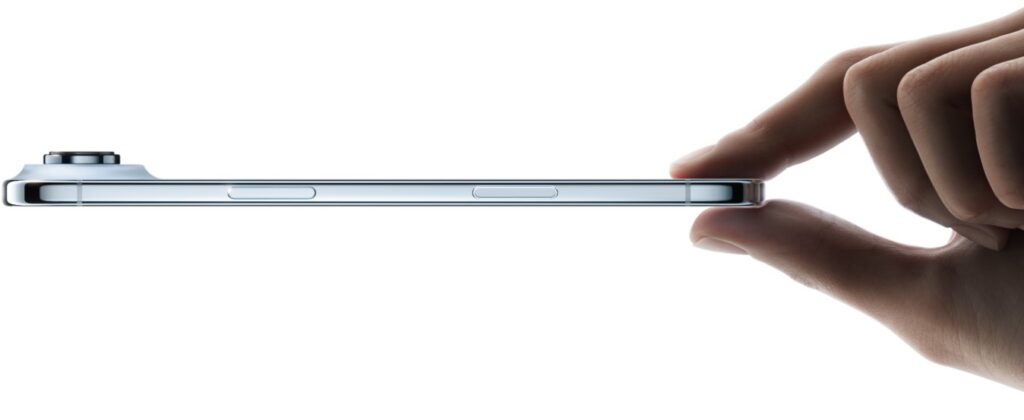
Friends, who says Apple doesn’t innovate? With the iPhone Air, Apple has proved once again that innovation is alive and kicking. This is not just another iPhone; it’s Apple’s thinnest and lightest phone yet, measuring just 5.64mm slim. Honestly, when you hold it in your hand, you can’t help but say “Wow!”.
This is the first generation of iPhone Air, and it basically replaces the Plus model in the iPhone 17 series. There’s no Plus this year instead, we get this ultra thin, futuristic device. But should you buy the iPhone Air? How’s the display, performance, battery, and cameras? Let’s dive into everything you need to know.
Design and Build – The Beauty of Slimness

The highlight of the iPhone Air is without a doubt its design. At just 5.64mm thin and weighing 165.7g, it feels featherlight. Apple has used 3D-printed Grade 5 Titanium for the frame, ceramic shield at the front and back, and durable glass, making it strong enough to resist bending even if you keep it in your back pocket all day.
Apple has even removed the SIM card tray to save space and introduced an eSIM only model, allowing them to pack in a slightly bigger battery. In the box, you’ll only find a USB-C to USB-C cable no SIM ejector tool. That’s Apple being Apple.
If you plan to buy the iPhone Air, I strongly suggest you also get the battery pack accessory. Apple has implemented it very well, and it’s almost essential for this slim design.
Display – A Perfect 6.5 Inches
The iPhone Air display is simply gorgeous. With a 6.5 inch ProMotion OLED panel, it supports a 120Hz adaptive refresh rate and 3000 nits peak brightness. This means watching videos or scrolling through apps is buttery smooth and super bright even under direct sunlight.
Unlike the usual 6.1-inch or 6.9 inch iPhones, this 6.5 inch size feels just right. Not too big, not too small a perfect balance. The bezels are incredibly thin, making the content immersive. Whether you’re streaming Netflix or gaming, the iPhone Air’s display will keep you hooked.
Performance – Power in a Thin Body
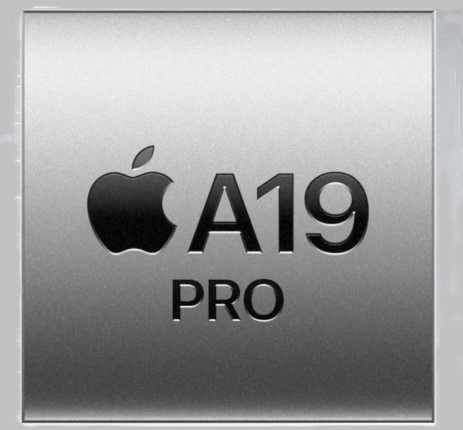
Don’t be fooled by its slim design the iPhone Air performance matches the Pro Max models. Powered by the A19 Pro chipset with 12GB RAM, it delivers blazing fast performance. Apps open instantly, multitasking is smooth, and gaming is top notch.
However, there’s one difference: the iPhone Air comes with a 5-core GPU, while the Pro Max has 6 cores. This is Apple’s way of balancing performance and battery life. And while the Air handles heavy games like Genshin Impact at almost 60 FPS, it does get warm due to the lack of a vapor cooling chamber.
For everyday tasks, though, you’ll never face an issue. Combined with iOS 26, the animations, swipes, and fluidity feel like magic.
Battery Life – Better Than Expected
Now, here’s the big question: how long does the iPhone Air battery last? Apple claims 27 hours of video playback, which is impressive given its slim size. The battery capacity is 3149mAh, but with hardware software optimization, you can expect around 4.5–5 hours of screen on time.
For a normal user, this means the battery will comfortably last till evening. But yes, power users may need that extra battery pack. Thanks to the new C1X modem and N1 chipset, energy efficiency is greatly improved, giving you better connectivity while consuming less power.
Connectivity – Future Ready
The iPhone Air is packed with future ready connectivity features:
- Wi-Fi 7
- Bluetooth 6.0
- NFC
- Support for all 5G bands
The new N1 chipset also improves AirDrop speeds and hotspot performance. If you rely on wireless connections often, this phone will make your experience seamless.
Cameras – Simplicity with Power
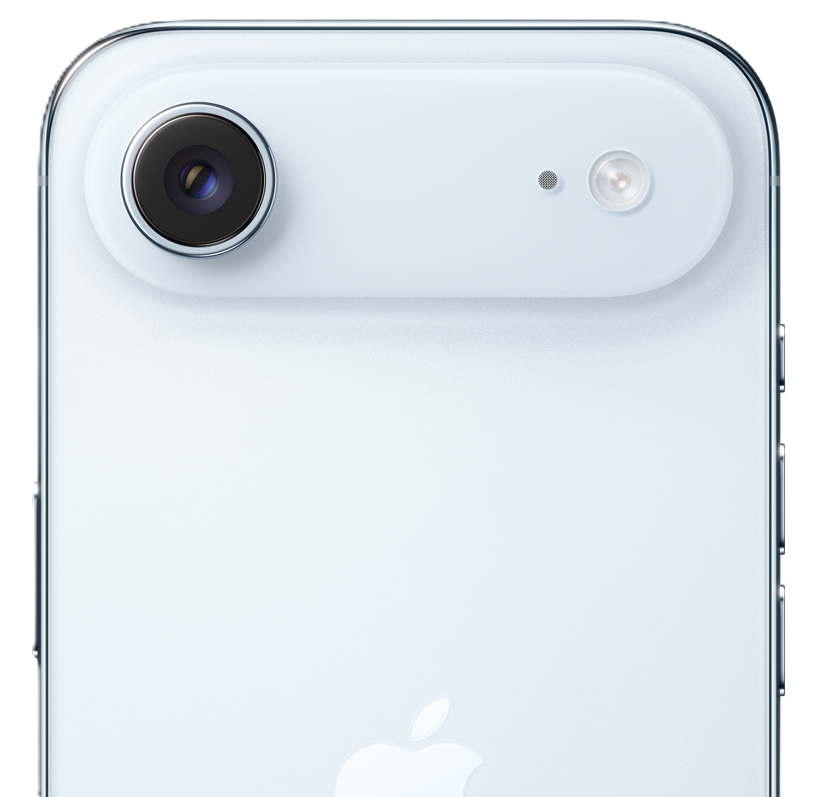
Unlike the Pro models with multiple cameras, the iPhone Air camera setup is simple yet powerful. At the back, you get a 48MP Fusion sensor, and at the front, an 18MP Center Stage selfie camera.
- The 48MP rear camera supports 2x lossless zoom and improved low light photography. Thanks to Apple’s new algorithms, portrait shots with bokeh look natural even with a single sensor.
- The 18MP front camera adjusts automatically for group selfies in horizontal mode.
- For videography, it’s unbeatable: 4K 60fps, Dolby Vision, and HDR support on both front and back.
If you love shooting videos, the iPhone Air won’t disappoint.
Multimedia
Now, let’s talk multimedia. The display is stunning, but the speakers are a bit disappointing. You only get mono speakers on the iPhone Air and yes, that’s surprising for a phone priced at ₹1.2L.
Still, video viewing is enjoyable thanks to the bright display and smooth refresh rate. But for immersive sound, you’ll need good headphones or AirPods.
Who Should Buy the iPhone Air?
If you ask me, the iPhone Air is not for everyone. Here’s my honest breakdown:
- If you love slim and lightweight phones, this is perfect for you.
- If you prioritize design and portability, the iPhone Air will make you fall in love.
- If you’re a heavy gamer or need a long lasting battery, you may want to stick with the Pro Max.
- If you want an affordable iPhone, this isn’t it at ₹1.2L, it’s premium only.
I think females, style conscious users, and people who prioritize portability will especially love this device.
Conclusion – Is iPhone Air the Future?
So, is the iPhone Air worth it? For me, it’s a bold and innovative step from Apple. It’s slim, lightweight, powerful, and stylish. But it also comes with compromises: no SIM tray, no vapor cooling, mono speakers, and a smaller battery.
The bigger question is will thin iPhones like iPhone Air become the new trend, or will compact phones and foldables take over? Personally, I feel this is an intermediate stage. Apple may move towards foldable iPhones in the future, and the Air could fade away.
But for now, the iPhone Air is one of the most unique iPhones Apple has ever made.
Now, I want to know from you what do you think about the iPhone Air? Do you see yourself using a thin and light phone like this, or do you prefer bigger battery models? Let’s discuss in the comments below!
Explore About iPhone 17 series. Click: iPhone 17 and iPhone 17 Pro Max – The Biggest Upgrade You’ve Been Waiting For